Why Topbookie Licensing and Reputation Matter
Before signing up and depositing at any online topbookie, one of the first things from the review methodology that should be checked is whether the site is properly licensed. A license tells you that the topbookie is allowed to operate, and more importantly, that someone is holding them accountable.
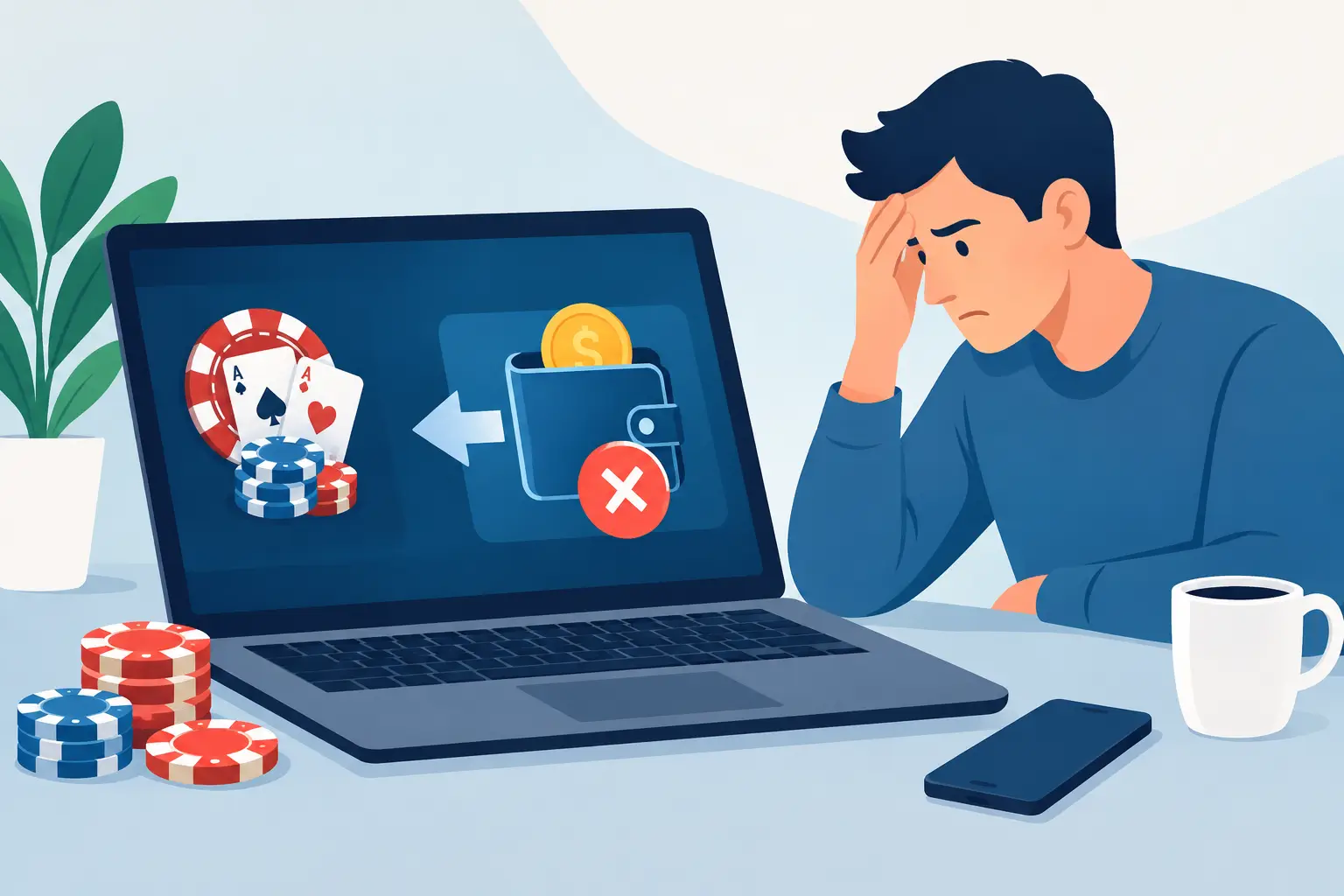
Not all licenses are created equal. Some come from strict regulators who demand fairness, security, and transparency. Others are easier to get and offer very little protection to players. That difference can mean a lot if something goes wrong, like delayed withdrawals, ignored complaints, or sudden rule changes.
When we review a topbookie, we always start here. If the factors don’t check out, everything else becomes a risk.
What We Look for in an Online Topbookie License
We don’t just check if a license exists. We check who issued it, where it was issued, and how much protection it actually offers you as a player.
Some licenses, like those from the Malta Gaming Authority (MGA) or the UK Gambling Commission (UKGC), come with strict rules. These regulators make sure the topbookie:
- Keeps your funds separate from their own
- Offers fair terms and clear bonuses
- Handles complaints properly
- Has real player protection tools in place (self-exclusion, deposit limits, etc.)
Then there are offshore licenses, from places like Curaçao or Anjouan. These are easier to get, cheaper, and less hands-on. That doesn’t always mean the topbookie is shady, but it does mean there’s less oversight if something goes wrong.
We look at how long the license has been active, whether it matches the company behind the topbookie, and whether the same license is used by multiple topbookie brands (especially those with bad reputations).
A legit license gives players a path to resolve issues. A weak one often leads nowhere.
Ownership, Track Record & Transparency
A topbookie’s license is one thing, but who’s behind the license is another. We always take a step back and ask: Who runs this place? Is it a known company with other topbookie brands under its belt, or a new name with no public history? You’d be surprised how many sites pop up overnight with vague ownership details or shell companies listed in tax havens.
The parent company’s name and registration
How many other topbookie sites they operate
Their track record with players and regulators
Any past scandals or suspicious closures
If a topbookie brand has changed names three times in one year, or if the owner has a string of low-rated sister sites, that’s something we flag. On the flip side, when a company has a clean history and transparent policies across multiple platforms, it earns trust.
We also verify that the business address and license info actually match up. If a topbookie claims to be licensed in Malta but the license number points to a different name or country, that’s a red flag.
Transparency matters. The more a topbookie hides, the more likely it is you’ll run into trouble later.
Blacklists, Warnings & Community Flags
Even if a topbookie is licensed and looks legit, that doesn’t always mean it's acting fairly. That’s why we also check whether the topbookie appears on any blacklists or has been flagged by player watchdogs or industry experts.
Well-known topbookie blacklists that warn about rogue or unethical sites
Player forums and review sites where users report scams, confiscated winnings, or locked accounts
Patterns of complaints, especially repeated issues like stalled KYC, bonus abuse accusations, or hidden withdrawal terms
We don’t just take every accusation at face value. But if multiple trusted sources raise concerns, we take them seriously. Even one unresolved major issue can affect a topbookie’s trust score.
Also taken as a factor is how the topbookie responds to complaints. Do they ignore player issues? Or do they step in, explain the situation, and resolve it publicly? A fast and fair response earns points; silence or blame-shifting does not.
Topbookie Size, Reputation & Financial Stability
Once we’ve looked at licensing, ownership, and blacklist history, we assess the topbookie’s overall footprint, how big it is, how long it’s been around, and how reliable it’s proven to be.
Revenue estimates – Bigger topbookies with steady income are generally more stable and less likely to delay or deny large payouts.
Operational history – Is this a brand-new site or has it been active for years? Longevity doesn’t guarantee quality, but it does add a layer of trust.
Player base and traffic – While we don’t count every visitor, we do look at popularity trends and growth.
Affiliate and industry feedback – If topbookie partners or reviewers cut ties due to shady behavior, that’s a red flag.
We don’t automatically distrust smaller or newer topbookies, some are excellent. But when a topbookie is tiny, has no track record, and makes big promises, we approach it with caution.
A stable topbookie with a clean reputation and healthy traffic is more likely to pay out wins, follow through on bonuses, and stick around next month. That’s what we want for our readers.