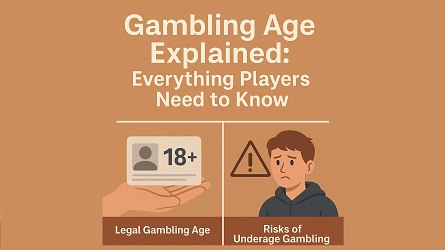
Gambling is an exciting form of entertainment, but it's important to know and follow the laws regarding age restrictions. These laws vary significantly around the world and even within countries. In this guide, you'll learn exactly how old you must be to gamble legally, understand why age limits exist, and find essential tips to keep you safe.
What Is the Legal Gambling Age?
The legal gambling age generally ranges from 18 to 21 years old, depending on the jurisdiction and the type of gambling activity involved.
-
United States: Typically 21 for casinos, but many states allow lottery and pari-mutuel betting (e.g., horse racing) at 18.
-
United Kingdom: Generally, 18 years old for casinos, betting shops, and online gambling.
-
Canada: Usually 19 years old, but some provinces allow gambling at 18.
-
Australia: Mostly 18 years old across all states.
It's crucial to check local laws since exceptions exist, and failing to comply can result in legal penalties.
Why Do Age Restrictions Exist?
Age restrictions are established primarily to protect young people from potential gambling-related harm. Authorities enforce these regulations to:
-
Protect minors from addiction.
-
Prevent financial exploitation.
-
Ensure responsible gambling practices.
Types of Gambling and Their Age Restrictions
Casino Gambling
-
Typical Age: Usually 21 in the USA, 18-19 in Canada, 18 in the UK and Australia.
-
Activities: Slots, poker, blackjack, roulette, baccarat.
Sports Betting
-
Typical Age: Usually 18 to 21 depending on jurisdiction.
-
Activities: Betting on sports events, horse races, and esports.
Online Gambling
-
Typical Age: Generally mirrors local gambling laws (usually 18-21).
-
Activities: Online casinos, sports betting, poker rooms.
Lottery and Scratch Cards
-
Typical Age: Often 18, though some US states allow at 16.
-
Activities: Lottery tickets, scratch cards, bingo.